The morning starts at the coast. Salt air, palm fronds, the sound of the Indian Ocean a short walk from your door. A few hours later, the landscape looks nothing like that. The humidity has dropped, the road is red-earthed and dry, and somewhere in the distance an elephant is moving through thorn scrub.
A 3 day safari from Diani Beach to Tsavo covers that full shift in a single day and builds on it over the next two. It is one of the most practical short safari options available to travelers staying on Kenya’s south coast, partly because of the road distance, but mostly because Tsavo East and West together offer enough variety to make three days feel complete rather than incomplete.
This guide lays out the route, the daily structure, what you can reasonably expect to see, and what to know before you go.
Why Tsavo East and West Work as a Short Circuit
Most wildlife parks in Kenya require a flight or a very long road journey from the coast. Tsavo is different. The two parks sit close enough to Diani that a morning departure by road puts you inside the park boundaries with time to spare for an afternoon drive on day one.
The greater reason to pair both parks, rather than visiting just one, is the contrast between them.
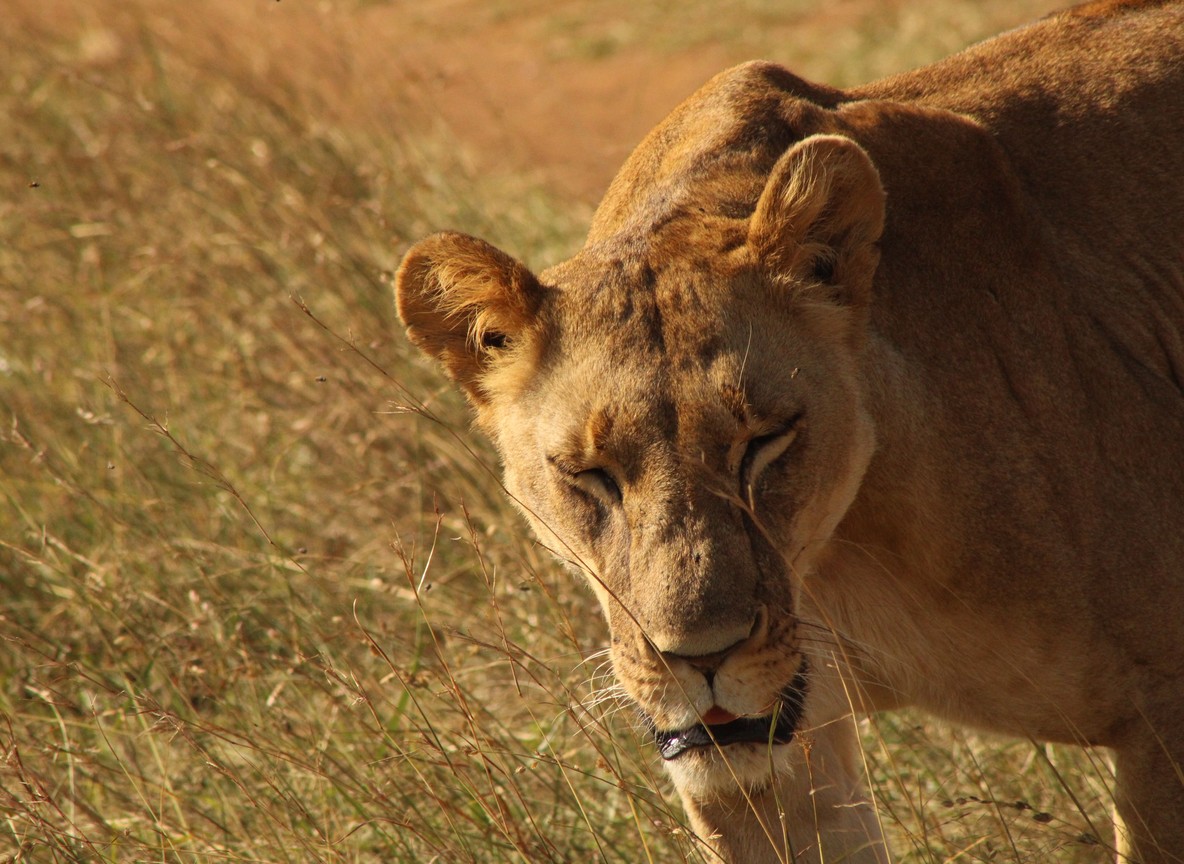
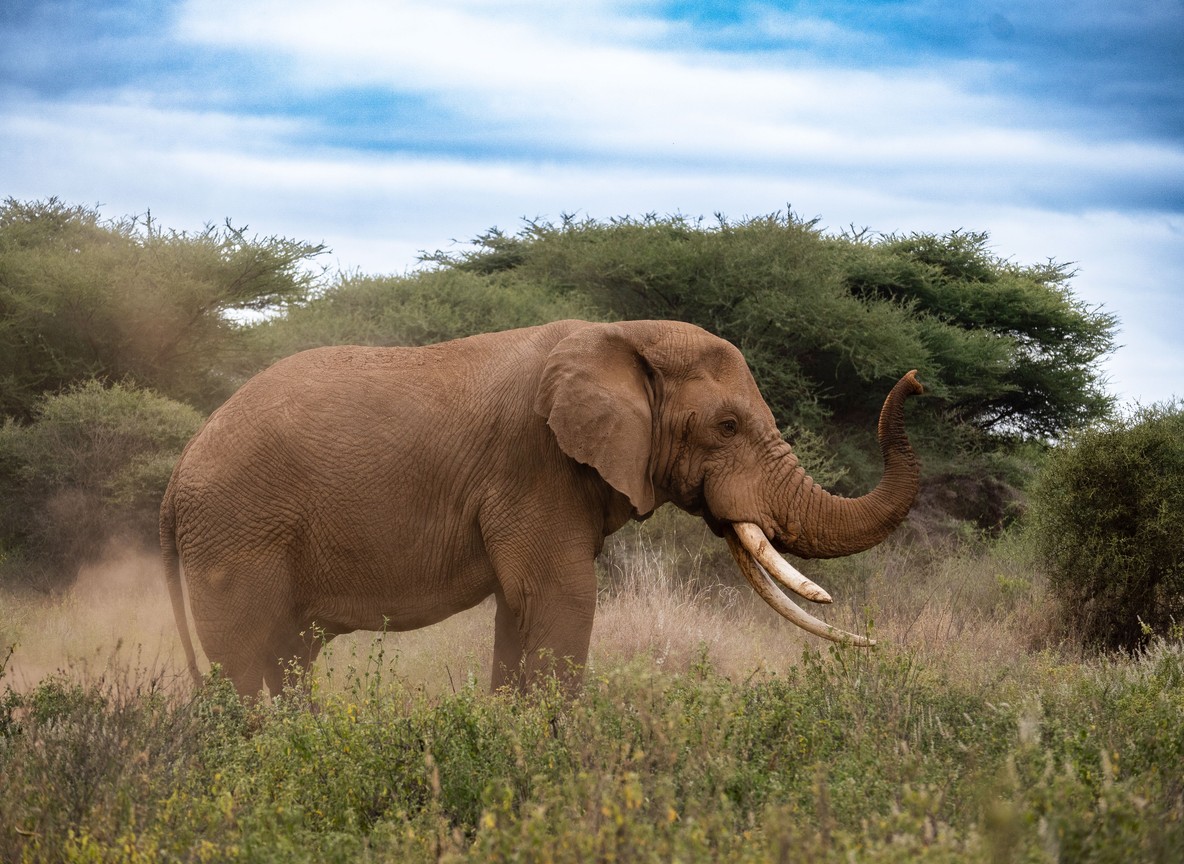
Tsavo East is the larger park by area. It is semi-arid, flat in most sections, and defined by its scale. The soil is deep red, and the vegetation is sparse enough that your view of the plains can stretch a long way in every direction. Elephant herds here roll in the local dust and take on the same rust-red color, which is one of the more memorable images the park produces. These are not isolated sightings. Tsavo East holds one of the largest elephant populations in Kenya, and herds can number in the dozens. Zebras, giraffes, buffalo, antelope, and warthogs are all common. Predators, including lions and cheetahs, live here too, though they are less reliably spotted than in more heavily trafficked parks.
Tsavo West looks and feels different. Older lava flows have left the terrain broken and uneven in places. Rocky outcrops rise from the plains, vegetation is denser in sections near the hills, and the game drives feel less predictable. That unpredictability is part of its appeal. The park also contains Mzima Springs, a freshwater source fed by underground water from the Chyulu Hills. Hippos rest in the pools, crocodiles patrol the banks, and birds congregate around the edges in large numbers. It is a quieter kind of wildlife encounter than an open-plains sighting, but it tends to stay with travelers.
Together, the two parks have enough variety to carry a three-day itinerary without repetition.
What to Expect on a 3-Day Safari from Diani Beach to Tsavo
Day 1: Diani to Tsavo East
An early departure from Diani is not optional, it is the foundation of a functional first day. The drive takes roughly three to four hours depending on road conditions and your destination within the park. Leaving by 6:00 or 6:30 a.m. ensures you arrive with time for a proper afternoon game drive, rather than a check-in and a rushed hour before sunset.
The road journey itself marks the transition well. The coastal vegetation gives way to drier scrub. The air cools slightly. By the time you reach the Tsavo East gate, the mood of the trip has already shifted.
First-time visitors to Tsavo East often comment on the sense of space. The absence of heavy tourist traffic, the wide horizons, and the raw quality of the landscape give the park a different character from more famous Kenyan destinations. Afternoon drives can produce strong sightings, particularly near rivers and water sources where animals concentrate in the dry season.
Accommodation inside the park or in lodges near the boundaries is the practical choice. Spending the night inside the park sets you up for an early game drive on day two before any transfer.
Day 2: Into Tsavo West
The move from Tsavo East to Tsavo West happens on day two, and for most travelers this is the most varied day of the trip.
A morning drive through Tsavo East before departure allows for one more sweep of the plains, often productive in the early hours when animals are still active. The road into Tsavo West passes through the boundary zone between the two parks, and the change in terrain is noticeable fairly quickly.
Mzima Springs is the set piece of this day. The pools sit quietly in the bush, fed by water that travels underground from the Chyulu Hills over a distance of roughly 50 kilometers. The springs support a permanent hippo pod, and the crocodiles present are often visible from the viewing platform above the water. An underwater chamber at the springs allows visitors to observe below the surface in certain conditions. Beyond the springs, afternoon game drives through Tsavo West take you through more varied terrain, and the Ngulia Rhino Sanctuary inside the park gives a small number of black rhino a protected area, though confirmed sightings are not guaranteed.
Day 3: Morning Drive and Return to Diani
The final morning is an early start. Pre-dawn conditions in both Tsavo parks tend to be the most productive for wildlife activity, and the light at sunrise over the plains makes for the best visual conditions of the whole trip.
After breakfast and checkout, the return drive to Diani takes the rest of the morning and into early afternoon. The journey retraces the shift in landscape you experienced on day one, now in reverse. By the time the coast reappears, the contrast between where you have been and where you are returning to is clear.
Who This Route Suits
Three days is a short safari, and the people who get the most from this particular route are travelers who understand that going in.
The itinerary works well for couples who are already based in Diani and want a wildlife experience alongside their beach time. It suits honeymooners who want both environments in a single trip. Families with limited leave, or with children who would find a longer safari too demanding, often find three days a manageable and successful format. First-time safari travelers benefit from this route as an introduction to Kenyan wildlife without the commitment of a full week in the bush.
The route does not suit travelers who want deep immersion: several nights in one camp, long stretches of unstructured time in the field, or the kind of intimate familiarity with one area that only comes from staying put. This itinerary moves. Its value is in covering ground and contrast, not in slow accumulation of time in a single place. If total stillness and unhurried depth are the priority, a longer circuit is the better option.
Explorer Notes
Best time to go. The dry seasons from June through October and from January through February offer the most reliable game viewing. Vegetation is lower, wildlife concentrates around permanent water sources, and roads are in better condition. Tsavo East is open and accessible year-round. Tsavo West’s rougher terrain can become difficult during the long rains from March through May.
Budget range. A mid-range package covering road transfers, accommodation, park fees, and game drives typically falls between USD 400 and USD 800 per person, depending on the season and accommodation category. Budget options are available with more basic vehicles and camps. Luxury lodge packages run higher. Park entry fees apply separately for each park and are charged per person per day.
Transfer times. Allow three to four hours from Diani to Tsavo East. Tsavo West is roughly four to five hours depending on which camp you are heading to and road conditions on the day.
Packing. Early morning game drives are cold on open vehicles. Light layers work better than a single heavy jacket because you shed them as the day warms up. Neutral colors, sun protection, and a hat matter on the exposed Tsavo East plains. Binoculars make a real difference to how much you spot. Tsavo East’s red dust gets into equipment, so cover cameras and lenses when not in use.
Wildlife expectations. Both parks produce good elephant and general game sightings with reasonable consistency. Predator sightings are possible but not guaranteed on a three-day visit. Do not plan the trip around seeing a specific animal on a specific day.
Final Orientation
A 3-day safari from Diani Beach to Tsavo is compact, but it covers genuine ground. The coast-to-bush contrast is not a marketing description. It is a real physical shift that gives the trip a shape most other short safaris do not have.
The key to getting the most from this route is honest expectations and early mornings. Approach it as an efficient introduction to two distinct Kenyan environments, and it rewards that framing well.
For current Kenya Wildlife Service park entry fees and accommodation listings inside both Tsavo East and West, the KWS website is the most reliable starting point for planning.
Have questions about this itinerary or destination? Get answers from a safari specialist before you commit.
Inquire More